UK universities silencing pro-Palestinian solidarity among students and academics: Amnesty
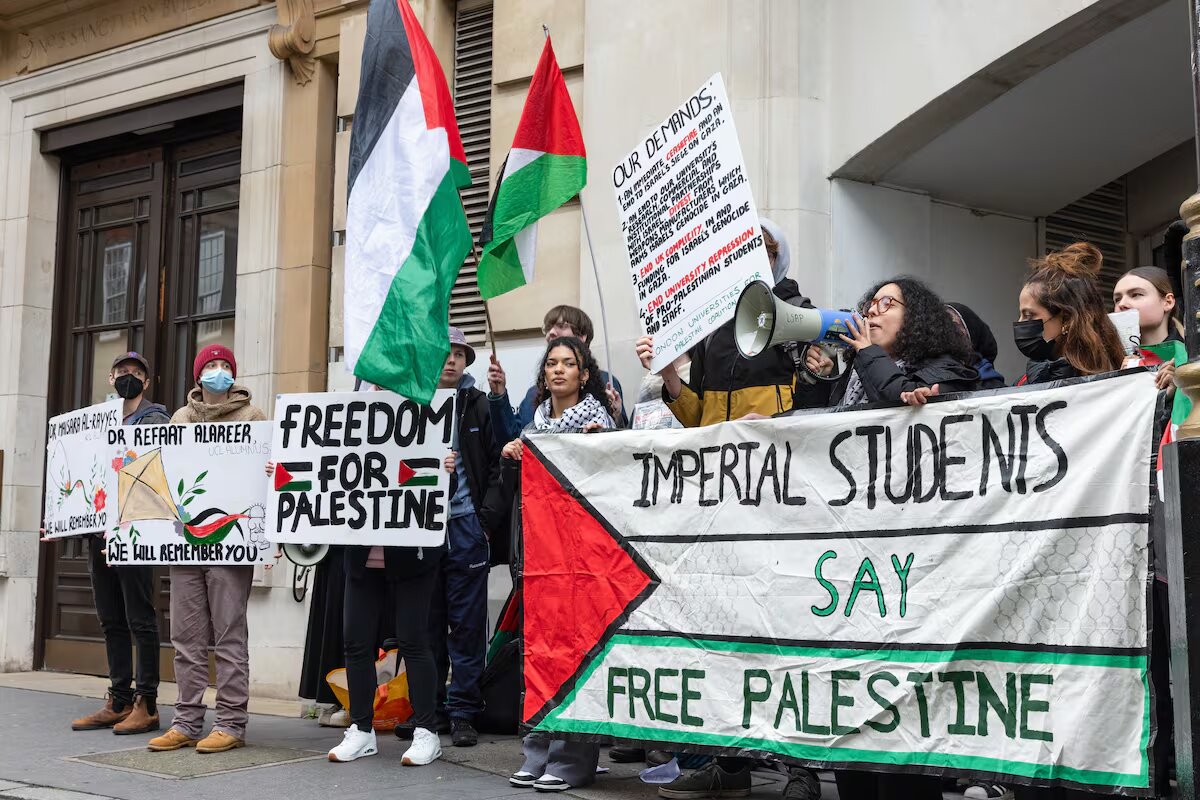
A new report by Amnesty International says that several UK universities have systemically restricted pro-Palestinian solidarity among their students and academics, as well as any speech that is perceived as “critical” of Israel.
The report said that students and academics have been sanctioned for chanting, clapping or wearing keffiyehs in support of Palestine, resulting in suspensions, campus bans, withdrawal of degrees and threats to visa status, “often causing great personal harm”.
Visibly Muslim students, and those who display symbols of Palestinian identity, have been “disproportionately impacted”, it found, Al Jazeera reported.
Kerry Moscogiuri, the chief executive of Amnesty International UK, called the findings “an attack on our freedom of speech and the right to protest from the very institutions who are supposed to encourage free thought”.
Corbyn's call for public inquiry into 'British complicity' in Gaza genocide rejected
Meanwhile, the UK government has rejected a call by Jeremy Corbyn for an independent inquiry into "British complicity" in Israel's genocide in Gaza, Middle East Eye reported.
The former Labour leader wrote to Prime Minister Andy Burnham in July calling on him to back a bill for a public Chilcot-style inquiry into British military, economic and political cooperation with Israel over the course of its ongoing onslaught in Gaza which began in October 2023.
The bill, which was rejected by former Prime Minister Keir Starmer's government during its second reading last year, specifically sought a probe into the British government's "supply of weapons, surveillance aircraft" to Israel as well as its use of Royal Air Force bases.
The independent MP revived the bill in July, following Starmer’s resignation, and called on Burnham for his support.
But Burnham’s government rejected the call in response to a written question on Monday, saying that a tribunal isn’t necessary as there are “extensive mechanisms already available for parliamentary accountability and oversight”.
New catastrophe for displaced Gazans
Meanwhile, the decision by the UN’s food agency [the World Food Program] to cut critical humanitarian aid to half a million people in Gaza is a new catastrophe for a displaced population in need of this essential assistance.
These people survive mainly on the aid provided to them by international agencies, primarily the WFP. What worries them more is that they would be left to provide for themselves with money they don’t have, because of the dire living conditions. 80 percent of the population in the strip is unemployed, and they lack the money to meet their daily needs.
The people worry about what will come next as the world turns its back on Gaza during this difficult time. There are more than a million people who are displaced across Gaza, and their struggles increase every day, especially as aid is all they have to survive.
They might take refuge in selling their own belongings to be able to support their families and bring in what they can to help them get through the days.
Even the aid they used to receive was not enough, despite the compounding needs ahead of winter. This might be only one step in a larger phase of cuts, possibly soon.
Leave a Comment